So who watched Stranger Things last year? Anyone remember the episode where Eleven is transported to another dimension after entering a floatation tank? It’s no wonder that one of the latest anxiolytic trends has been branded a bit wacky.
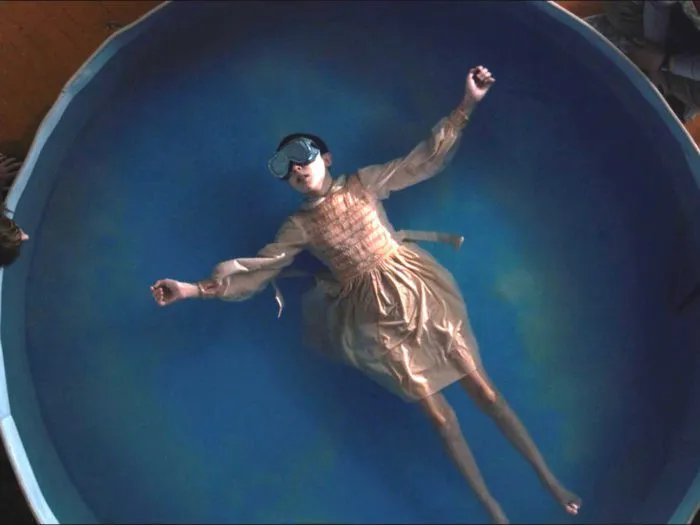
Invented in 1954 by American Neuroscientist, John C Lilly. It originally impressed NASA enough to use it in their astronaut testing programme but later lost reverence due to Lilly’s sometimes unconventional beliefs and attempts to communicate with dolphins…. probably a bit before his time…
The therapy entails floating upwards in a shallow pool of water saturated with magnesium sulphate, epsom salt. The experience is fine-tuned so that sensory signals, from visual and auditory to gravitational and thermal, are minimised to the point where they almost completely deprived.
Although around for decades, it’s only recently come into the spotlight after leading researchers suggested that “floating” can have a positive psychological impact, not only on “healthy” participants, but on participants who have high Anxiety Sensitivity, in other words, people suffering with severe anxiety and disorders such as PTSD and depression.
The (Not So) Boring Science Bit
Jason Feinstein and his team at the Laureate Institute of Brain Research in Tulsa recruited 31 participants with the highest Anxiety Sensitivity symptoms from a previous open label study, and randomly assigned them to undergo either a 90 minute session of Floatation REST (Reduced Environmental Stimulation Therapy) or a comparative condition, which involved an activity that the participants may use to relax such as watching a film.
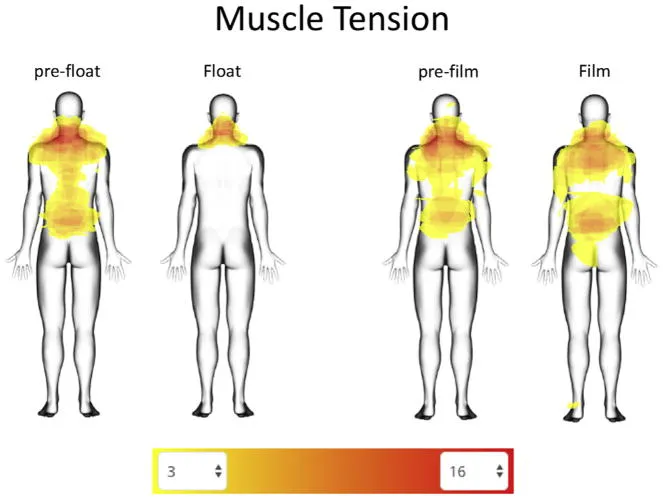
The two main findings were the following:
- “A group of clinically anxious and depressed individuals with high levels of AS experienced a robust relaxation response during and after floatation REST that was decisively anxiolytic in nature”, which in short means that people who suffer with severe anxiety disorders were a lot less anxious after floating.
- The second finding was that “the float environment enhanced interoceptive awareness and attention to cardiorespiratory sensations”. Data from the therapy suggested that being immersed in a sensory depriving environment altered the experience of internal sensations, leading present moment visceral sensations, such as heartbeat and breathing, to emerge at the centre of consciousness.
Our Trip To Floatworks
We thought it was time to see what all the fuss is about, so we sent our Head of Content Jasmine down to Floatworks in Vauxhall to give it a go.
Part nervous, part excited, but all the while secretly hoping I’d be transported into the Upside Down world full of monsters and demons, fighting side by side with Eleven, off I went to Vauxhall! I arrived at Floatworks to be met by Marketing Manager Andy. He took me to the chill-out room, filled with bean bags and an impressive array of tasty teas, to chat about his experience with floating and the types of people who use floatation therapy.
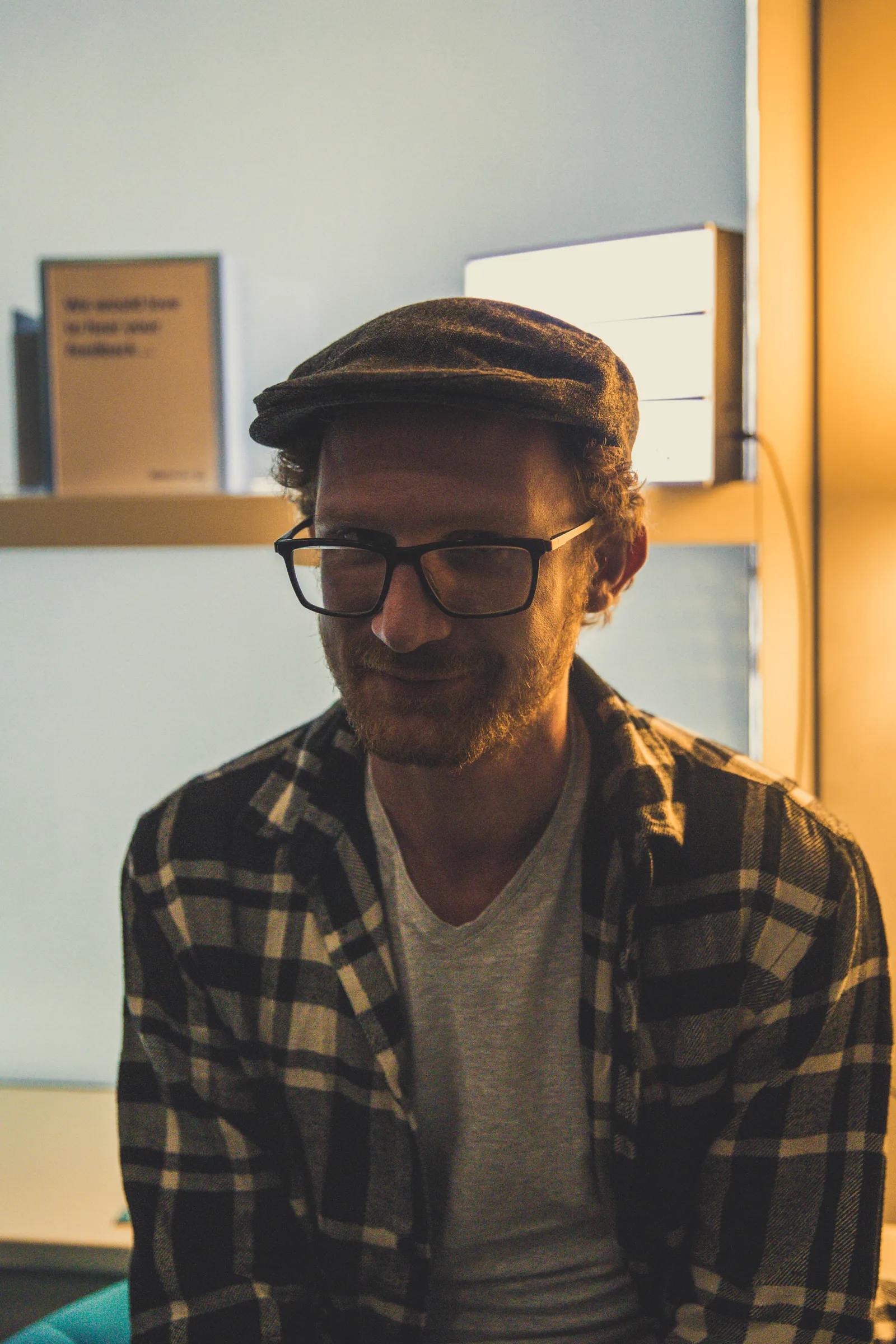 J: So, what kind of people do you see come here to float?
A: So many different types of people float – we have sportspeople who use it to recover from heavy training, or help them visualise their game, and then there are the people who work high-pressure jobs who use it as their one hour away from the stress of their lives. We also have a lot of customers who use it to manage chronic pain conditions, and pregnant women looking for physical relief, too. We also have a good portion of customers who use the pod as a space to meditate, and explore the depths of their own consciousness.
J: Wow that’s a pretty wide range of people, what do you think floating is good for?
A: Floating is like a reset button for your mind and body, but it can be so much more than that.
J: What’s your own personal experience with floating?
A: Floating for me is something I do to take back control of my own mind. In the past I’ve struggled with addiction, eating disorders, compulsive behaviour and negative thought patterns –through floating I’ve been able to uncover why, and now have the tools to analyse these behaviours and thoughts when they arise, so that they don’t affect my wellbeing, or life in any way. I can squash them. And I want to tell absolutely everyone else who’s stuck in them, that they can break free too. By putting you in a deep state of relaxation it’s hard to reach in regular life, it really can benefit anyone. Whether you’re looking for something to help you get away from the stresses of day-to-day life and find a space to work through some issues in your head, or looking to use it to get better in tune with your body or recover from some heavy training, it’s hard to *not* get something out of an hour in the tank. It helps you sleep so much better, too!
My Float
After our chat in the chill-out room, we headed downstairs where I was asked to take off my shoes to add an element of zen to my experience. Andy then took me to my “pod” which was a decently sized private room, equipped with a rain style shower, mystical blue lights and of course, a floatation tank.
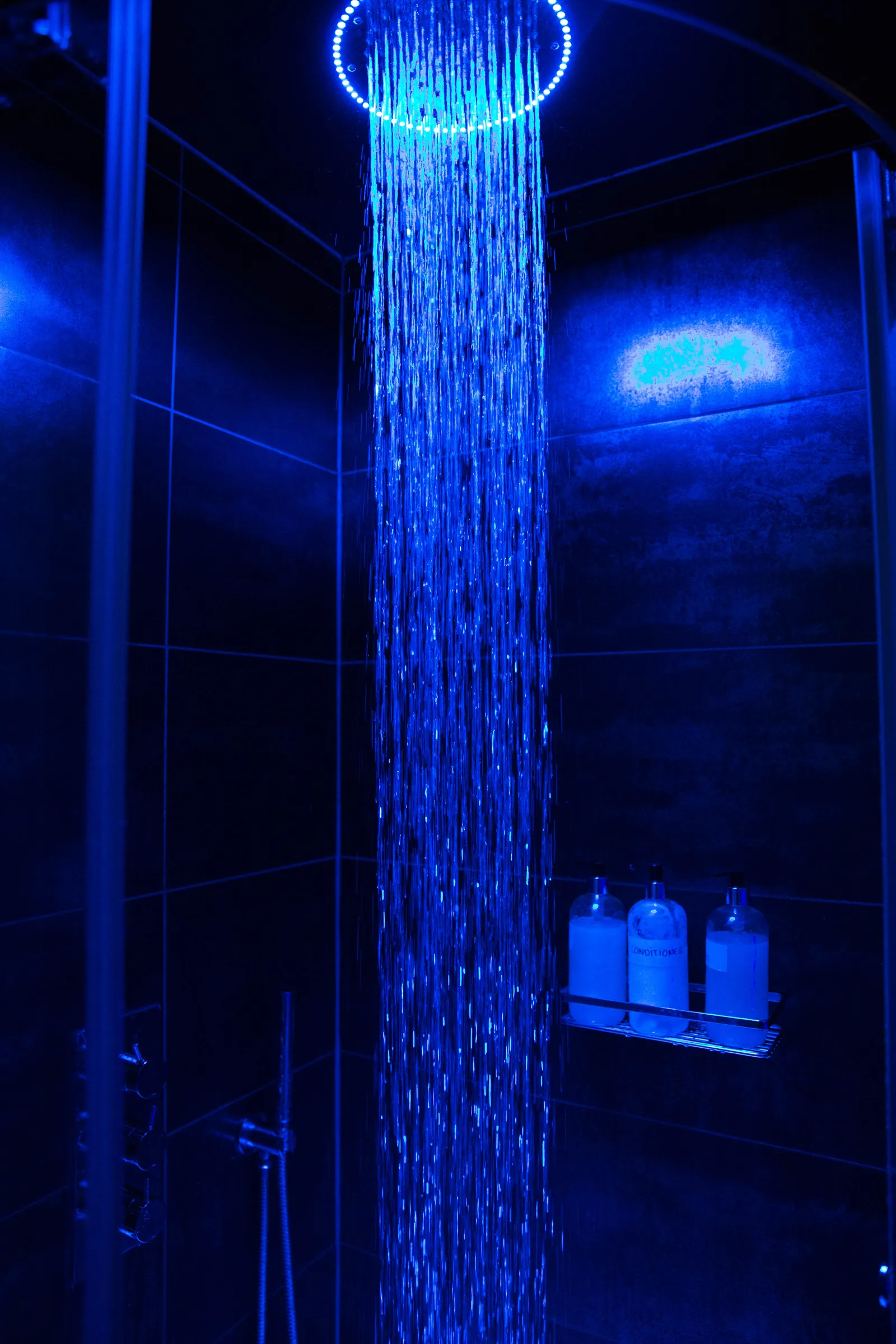
I was advised that most people floated naked but that it was up to me whether I wanted to do this, I’ll leave an air of mystery around which option I went for here. Andy advised me that I was to shower for a few minutes before entering the tank, which would play some hotel lobby style music quietly for ten minutes before the room went completely dark and I was to turn off the light in the tank.
Once Andy left I suddenly felt a rush of nerves as I realised my fear of the dark would probably come out in full force whilst being left in complete darkness, silence and salt water for an entire hour.
Either way, I showered as advised and hopped into the salty lukewarm bath, armed with ear plugs and a support ring for my neck. It took me a good 15 minutes to convince myself to turn off the light in the tank, and about another 15 to settle into the experience and actually close my eyes.
Having felt a bit groggy before arriving at the centre, it shouldn’t have been surprising to me that as soon as I relaxed into the experience I realised I was getting a super stinky cold. Being so relaxed and aware of your internals kind of means this makes some sense. (It’s probably wise to put a disclaimer here and say that I don’t think everybody who steps into the tank gets a cold, anyone that knows me will know i have the immune system of someone who definitely never ate mud as a child, and now gets every illness under the sun).
Aside from the overwhelming need to blow my nose, the experience was very calming. Except for a few fleeting thoughts of work or relationships, which I tried to block and revert back to a meditative state by focusing on my breathing and body as much as possible, my brainwaves were relatively sparse and the experience was very mentally therapeutic.
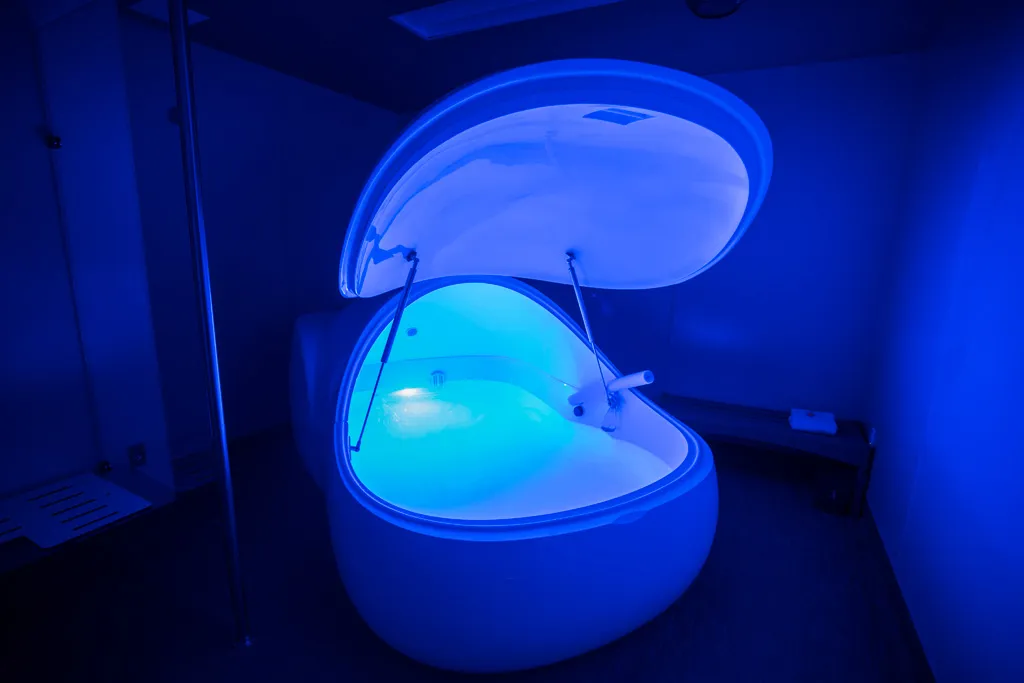
After 45 minutes the music came back on, which was the sign that my time in the tank was up. I showered, took a few photos and left the centre. Although feeling a lot less physically well, due to a brewing winter cold – I felt relaxed and calm and very aware of my immediate surroundings. It wasn’t the life changing experience I was perhaps expecting but the last 24 hours have been the calmest I’ve felt in a very long time.
When leaving I felt physically and emotionally calm, even as I embarked on a normally hellish rush hour tube journey back to East London. I can see how the more often float, the more of an impact this would probably have on your wellbeing.
Now, would I go back? Yes. If I can get over my fear of the dark and stinky cold then I don’t see why not. When you sign out, they hand you a leaflet which attempts to dissect how you might be feeling post float. It tells you to get a good nights sleep and also suggests you attend at least two more floats to reap the benefits of what it has to offer. Apparently it’s the third time where things all get a bit weird…
If nothing else, I’d go back to have another go in the disco shower and drink some more of their tasty tea!