India- Ayurveda:
Ayur = life, Veda = science or knowledge)
Ayurveda is a 5000 year old system of natural healing that originated in India. It encompasses many different things from herbs, to massage to yoga, chakras and meditation. It is known as a “vedic science” and offers guidance on diet, proper use of our senses, daily and seasonal routines. Ayurveda says that health is a balance between our mind, body and spirit

Summary of principles:
Ayurveda describes three fundamental energies that govern us. Known in Sanskrit as Vata (Wind), Pitta(Fire), and Kapha (Earth), people who follow ayurveda believe we are all a unique mix of these 3 energies all with our own unique proportions. This manifests in certain personality traits, reactions, body types and illnesses and patients are treated through unique lifestyle prescriptions and advice on herbs and diet. Ayurveda also describes the Bhutas (five elements) which are ether (space), air, fire, water and earth. They are manifestations of cosmic energy and are related to the five senses. Ayurveda also massively advocates meditation as the Indian sages even from thousands of years ago knew there is no health without the mind. Prana is also described in Ayurveda, which describes a universal energy that is within us and flows between everything.
Plants and rituals:
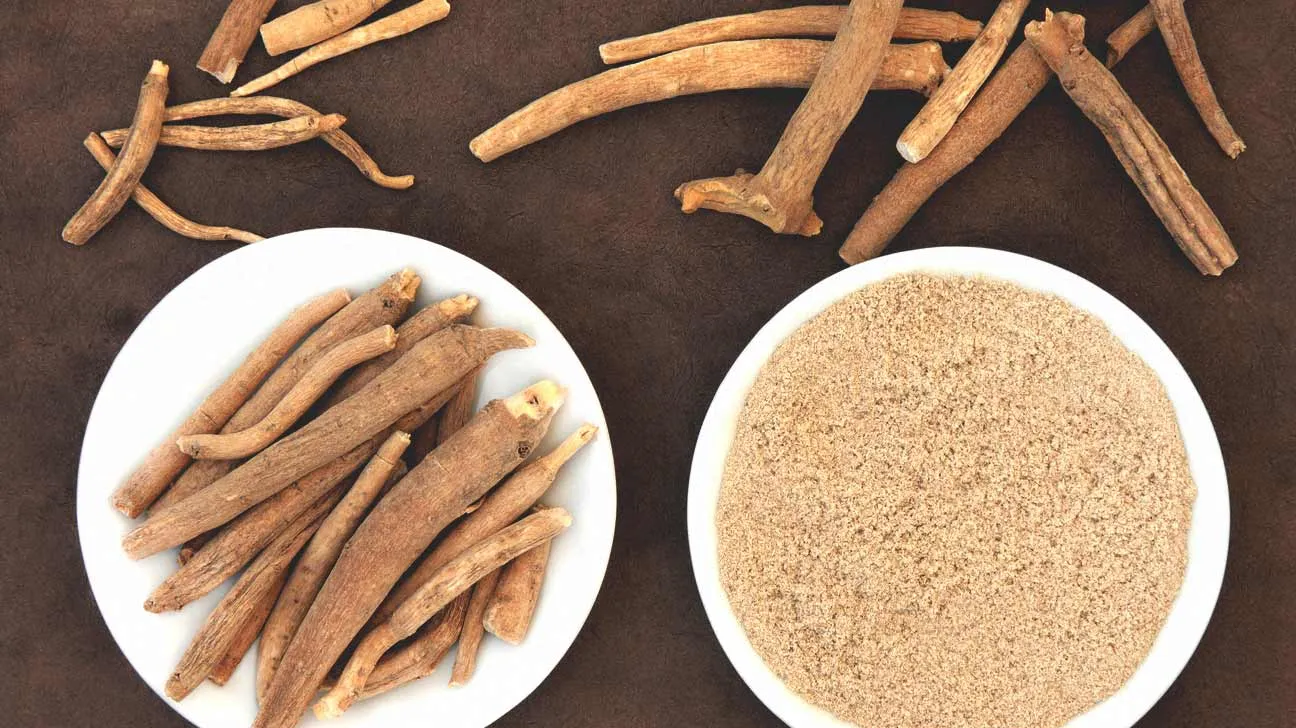
There are between 1200,1500 plants predicted to be used in ayurveda spanning from gotu kola, to henna, ashwaghanda and Tulsi. Tulsi is seen as a sacred plant where rituals include watering the Tulsi plant, clearing the area near the plant with water, making offerings of food, flowers, incense, water from the river Ganges, Rangoli (decorative designs) of deities and saints are drawn near its foot. Devotees pray to Tulsi and circumbulate it, chanting mantras. It exists in many Hindu homes and Hare Krishnas the plant is considered Godly. Many people do these rituals every morning. The Peepal tree (sacred fig) is considered sacred as it is under this tree that it is thought that Buddha attained enlightenment.
China-TCM (Traditional Chinese Medicine)
TCM is often revered as the most powerful of natural healing systems, though there is some debate that it stems from Ayurveda. It is thought to have come from 2800 BC and he, with Confucius (considered China’s greatest sage) establishing a code of ethics and rules for the system.
Summary of principles:
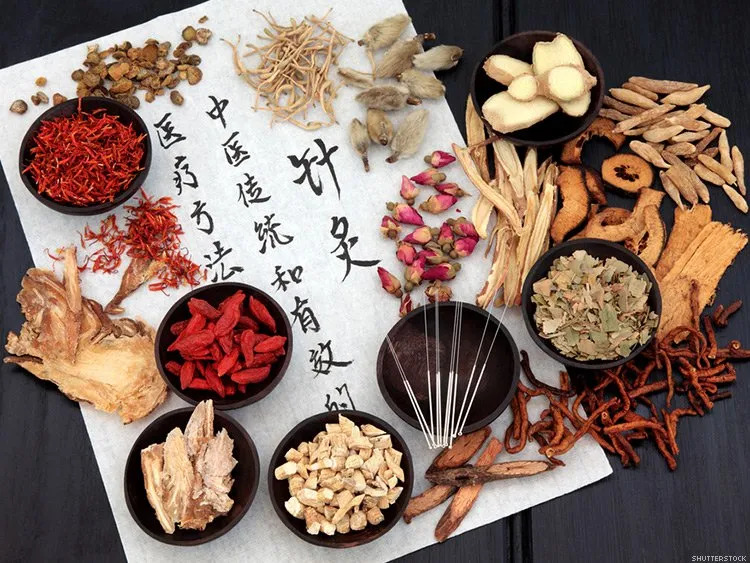
Similar to “prana” described earlier, Chi is the life force that runs through all of us and all living things. Imbalance in our Chi (sometimes spelt Qi), causes illness. It is a delicate balance between yin (passive, negative) and yang (positive, active) forces. Again the elements of the earth are key to this system with fire, wood, earth, metal and water all being aligned to different organs. TCM says that we are completely related to nature, we have an innate natural self-healing ability and to access this at optimum we must be balanced in our emotions, body, mind and spirit. Acupuncture works by inserting needles into our meridians (energy points where Qi runs through), therefore rebalancing our Qi.

Plants used and rituals:
TCM is not based on any religion, it is more so based on a philosophy and so plants are not necessarily seen as sacred. It has been said that TCM uses around 10,000 plants and throughout chinese culture many plants have different symbolism and meanings. For example bamboo symbolises youth, suppleness, strength and endurance whereas cherry blossoms symbolise power, feminine beauty and sexuality. Chrysanthemum is symbolic of intellectual accomplishments and various parts of lotus mean enlightenment, purity, connection to origin and prosperity.
Indonesia- Jamu:
Jamu is thought to have originated in the ancient palaces of Surakarta and Yogyakarta in central Java. It comes from ancient Javanese cultural practices and is influenced by Arabian, Indian and Chinese medicine. The medicines then spread to Bali, and now Bali is a global hub for wellbeing and spirituality.
Summary of principles:
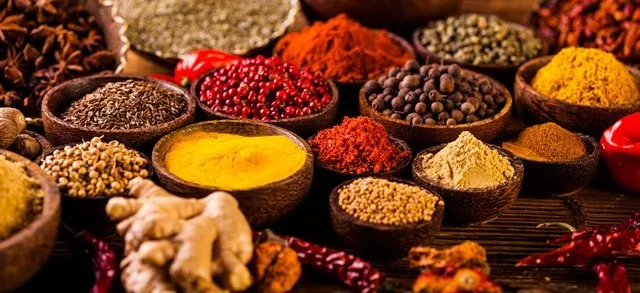
Health in Jamu is based on principles of harmony between the patient and their environment, and the balance between positive and negative power. Illnesses as well as medicines are split into hot and cold categories, and treated subsequently using herbs from both categories. Taste of herbs are also very important when practitioners decide what to use, for example if the medicine is bitter, sweet, sour, tasteless, strong or weak. Jamu has very holistic groundings as the treatment of disease in one organ always considers the effects of treatment of other organs in the body. Also the shape, colour and texture of a plant indicates what illnesses it can cure and if a plant looks like a part of the body it is often used to treat that part of the body. Jamu also has many spiritual principles, and for many Jamu healers a combination of prayer, herbs, massage, and magic is used to heal.
Plants used and rituals:
Healers match the energy of the patient and then as they are on the same wavelength of the patient it is believed that the healers can then send healing to the poorly. The crucial spot is for the healer is the third eye in the middle of the forehead. Palm is considered a sacred plant because religious content is inscribed on palm manuscripts. Also turmeric is widely considered a sacred plant amongst Eastern cultures because it symbolises the sun which is a source of life, energy, light and growth. It is widely believed that turmeric offers protection against evil energies.